🚚 Free Worldwide Shipping on All Orders!Shop Now
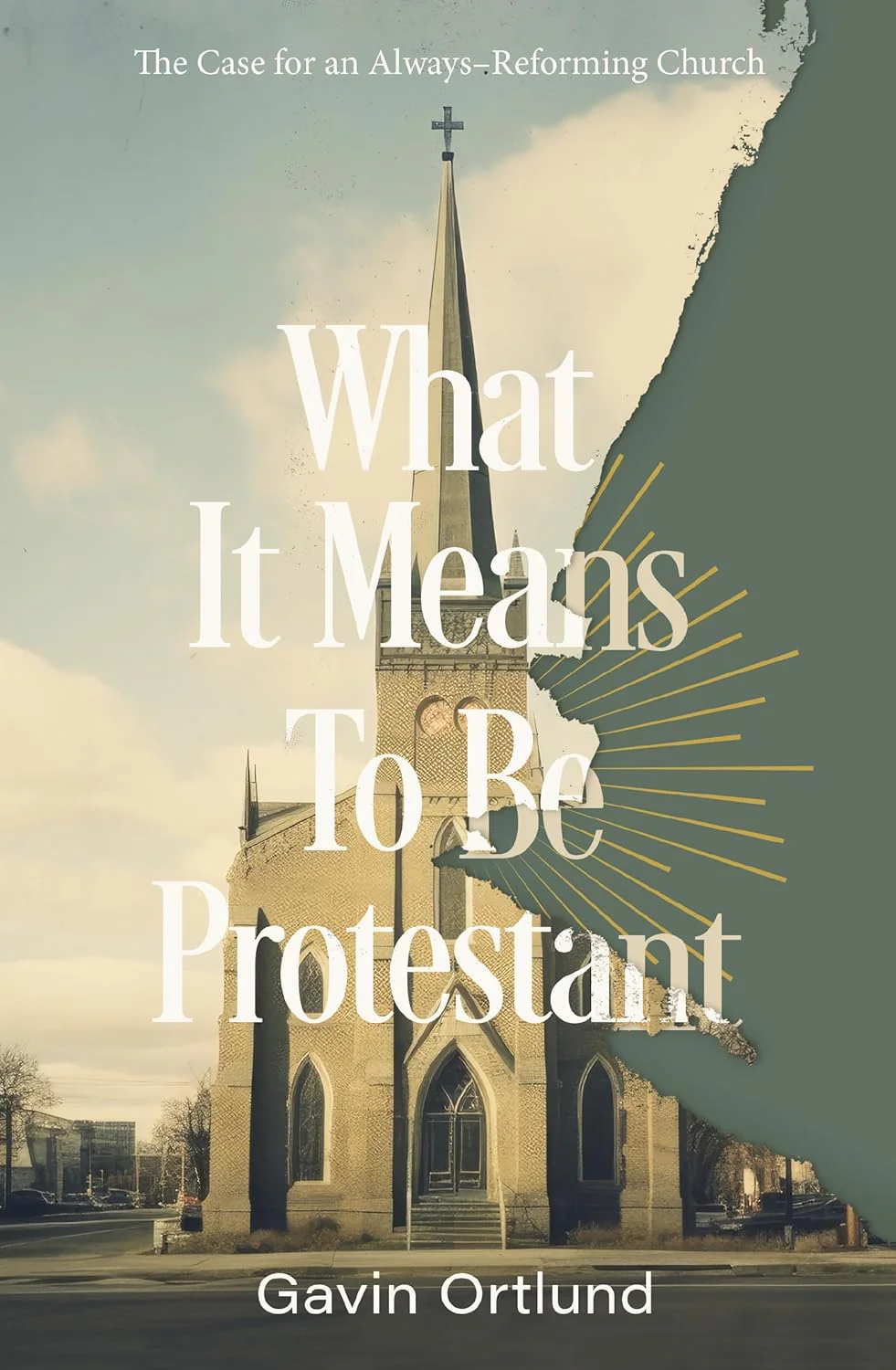
What It Means to Be Protestant: The Case for an Always-Reforming Church
There's a movement among evangelicals of exploring the more sacramental, liturgical, and historically-conscious church traditions, including Roman Catholicism and Eastern Orthodoxy. This hunger for historical rootedness is welcome—but unfortunately, many assume that this need can only be met outside of Protestant contexts.In What it Means to Be Protestant, Gavin Ortlund draws from both his scholarly work in church history and his personal experience in ecumenical engagement to offer a much-needed defense of the Protestant tradition.Retrieving classical Protestant texts and arguments, he exposes how many of the contemporary objections leveled against Protestants are rooted in caricature. He shows how historic Protestantism offers the best pathway forward and to historical rootedness for Christians today.In his charitable style, Ortlund demonstrates that the 16th century Reformation represented a genuine renewal of the gospel. This does not entail that Protestantism is without faults. But because it is built upon the principle of semper reformanda (always reforming), Protestantism is capable of reforming itself according to Scripture as the ultimate authority.
There's a movement among evangelicals of exploring the more sacramental, liturgical, and historically-conscious church traditions, including Roman Catholicism and Eastern Orthodoxy. This hunger for historical rootedness is welcome—but unfortunately, many assume that this need can only be met outside of Protestant contexts.In What it Means to Be Protestant, Gavin Ortlund draws from both his scholarly work in church history and his personal experience in ecumenical engagement to offer a much-needed defense of the Protestant tradition.Retrieving classical Protestant texts and arguments, he exposes how many of the contemporary objections leveled against Protestants are rooted in caricature. He shows how historic Protestantism offers the best pathway forward and to historical rootedness for Christians today.In his charitable style, Ortlund demonstrates that the 16th century Reformation represented a genuine renewal of the gospel. This does not entail that Protestantism is without faults. But because it is built upon the principle of semper reformanda (always reforming), Protestantism is capable of reforming itself according to Scripture as the ultimate authority.
$16.72
What It Means to Be Protestant: The Case for an Always-Reforming Church—
$16.72
Description
There's a movement among evangelicals of exploring the more sacramental, liturgical, and historically-conscious church traditions, including Roman Catholicism and Eastern Orthodoxy. This hunger for historical rootedness is welcome—but unfortunately, many assume that this need can only be met outside of Protestant contexts.In What it Means to Be Protestant, Gavin Ortlund draws from both his scholarly work in church history and his personal experience in ecumenical engagement to offer a much-needed defense of the Protestant tradition.Retrieving classical Protestant texts and arguments, he exposes how many of the contemporary objections leveled against Protestants are rooted in caricature. He shows how historic Protestantism offers the best pathway forward and to historical rootedness for Christians today.In his charitable style, Ortlund demonstrates that the 16th century Reformation represented a genuine renewal of the gospel. This does not entail that Protestantism is without faults. But because it is built upon the principle of semper reformanda (always reforming), Protestantism is capable of reforming itself according to Scripture as the ultimate authority.